Cầm Kỳ Thi Họa: Origins and the Spirit of Chess in the Modern Age
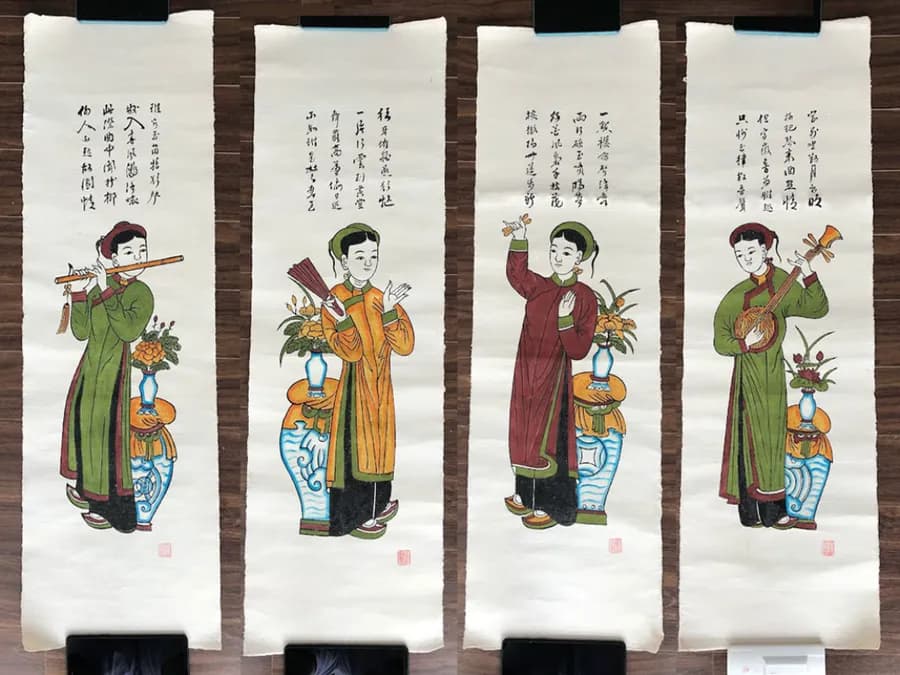
"Cầm kỳ thi họa" has long been a classic criterion for a gifted individual, representing a complete spirit and keen intellect in the views of ancient people [1]. Even though society has changed significantly, the core essence of these four disciplines remains valuable, serving as a guiding principle for people to cultivate the mind, nurture character, and find peace amidst the fast-paced rhythm of life [1].
The Origins and Transformation in Vietnamese Culture
The idiom "Cầm kỳ thi họa" originally originates from ancient Chinese culture with the foundational phrase "Cầm kỳ thư họa," representing four talents: Music, Chess, Calligraphy, and Painting. However, when adopted in Vietnam, this idiom was adapted to suit the national identity and customs: the character "Thư" (calligraphy) was changed to "Thi" (poetry).
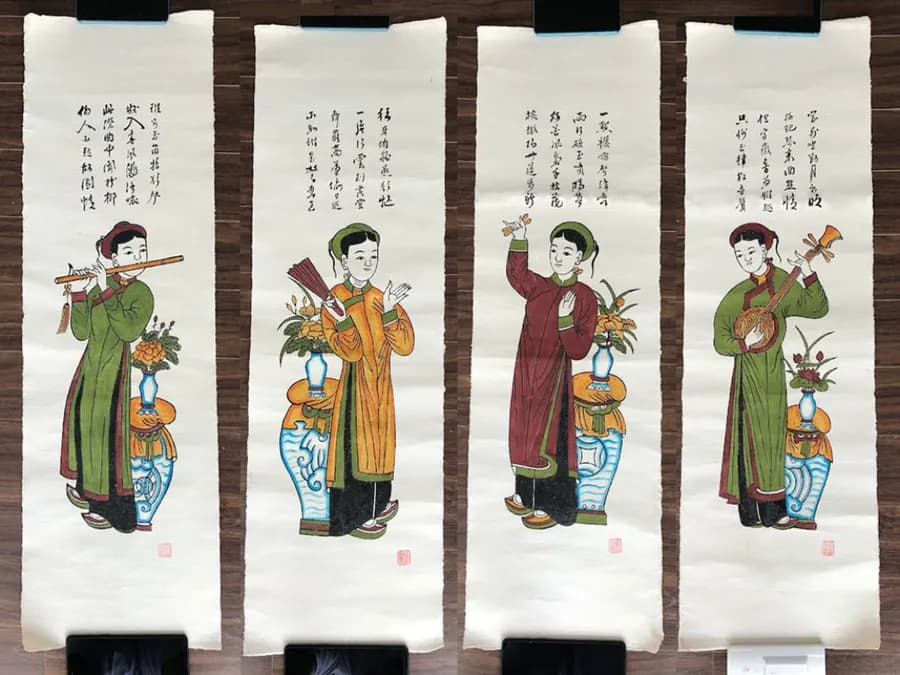
This change stems from practical reasons. Firstly, Vietnamese people use the Latin alphabet, which means that the art of Chinese calligraphy is not the most common means of expression. Secondly, Vietnamese people have a passionate love and special talent in the field of poetry [1]. Because of these factors, "Thi" (Poetry) is used to honor the ability to use language and rhythm to convey thoughts and emotions. Although there is a difference in the wording, the overall meaning of the phrase remains unchanged when using art to assess a person's temperament, wisdom, and moral character.
The Four-Factor Model: Cầm – Kỳ – Thi – Họa:
The profound meaning of the four phrases, “Cầm, Kỳ, Thi, Họa,” is not merely about entertaining skills, but rather a path of spiritual cultivation, rigorous mental focus, and understanding the natural laws of the universe. Each discipline requires the practitioner to attain a high state of tranquility and wisdom.
- Cầm (Đàn) - Thanh âm giao hòa giữa vạn vật:
In this context, *Cầm* refers to the *cổ cầm* (ancient zither), a musical instrument ranked among the "Four Great Ancient Lutes" [3], symbolizing elegance and nobility. Ancient artisans did not craft the instrument arbitrarily but designed it based on the cosmic laws governing heaven and earth. The instrument's body takes the shape of a phoenix; its rounded surface symbolizes the vast heavens (representing Yang), while the square, flat base symbolizes the stable earth (representing Yin) [2].
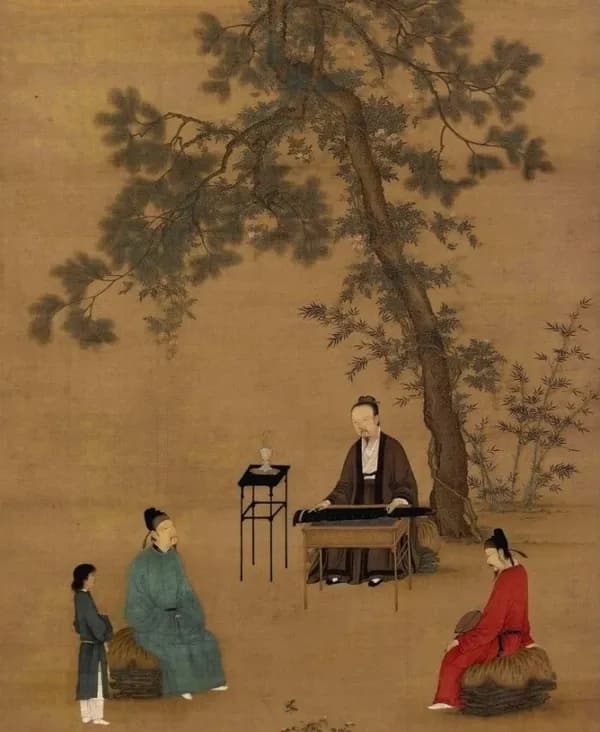
The sound of the music is a blend of three tones—"phiến âm," "án âm," and "tản âm"—corresponding to the harmony of Heaven, Earth, and Humanity. Therefore, playing the instrument is not merely about creating music; it is a process of using one's moral virtue ("Đức") to cultivate the mind, nurture character, and enlighten wisdom. Classic melodies that have been passed down through generations, such as "Hoa Tư Dẫn" or "Cao Sơn Lưu Thủy," carry a resonance that helps listeners purify their distracting thoughts and distance themselves from desires, guiding the soul back to its most pure and peaceful state.
- Kỳ (Cờ) - Trí tuệ kiểm soát đại cục và triết lý nhân sinh:
*Kỳ* primarily refers to Go [2], a discipline often called "the game of sages." Legend recounts that King Nghiêu used the board game to temper his son’s impulsive nature, employing the stillness of each move to suppress overconfidence. From a philosophical perspective, the board game is a miniature image of the universe, with the central point symbolizing the cosmic navel; the 360 [361 = 19X19] intersections correspond to the 360 days of the lunar year, the four corners represent the four seasons, and the black and white pieces symbolize the ceaseless alternation of Yin and Yang, of day and night [2].
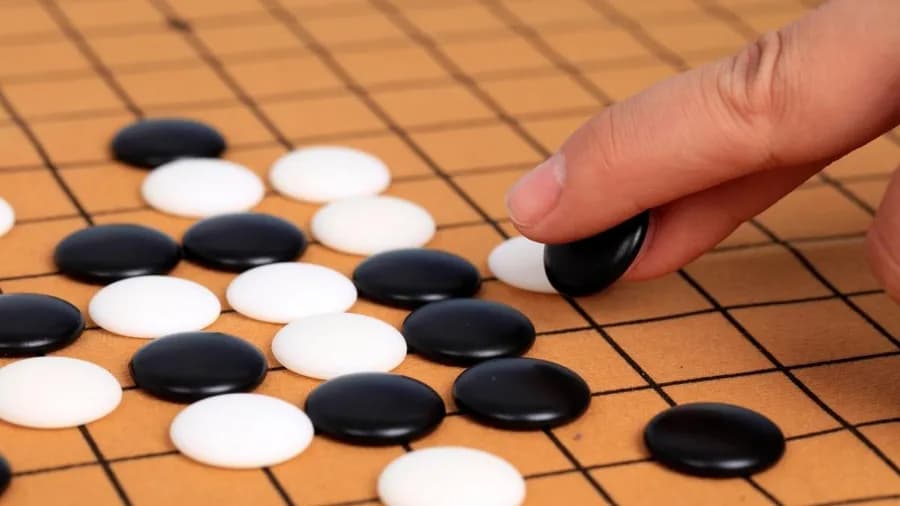
Although the rules of chess may be simple, the variations on the board are infinite. A skilled player is one who remains composed in the face of all events, understanding the grand strategy rather than focusing solely on immediate gains. Just as a piece placed on the board cannot be retracted, every decision in life leaves a mark. The chessboard trains us to think thoroughly in silence, to observe comprehensively, and to find the most brilliant and complete path for our lives.
- Thi (Thơ) - Âm điệu của tâm hồn:
In the original Eastern culture, the character “Thi” (Poetry) was originally “Thư” (Calligraphy) – where one had to hone their character before forming each stroke [2]. However, when blending into the flow of Vietnamese culture, the art of reciting poetry and composing scenic verses became a spiritual treasure replacing calligraphy. Poetry is the distillation of linguistic essence, transforming complex thoughts and the most delicate emotions into smooth, profound verses.
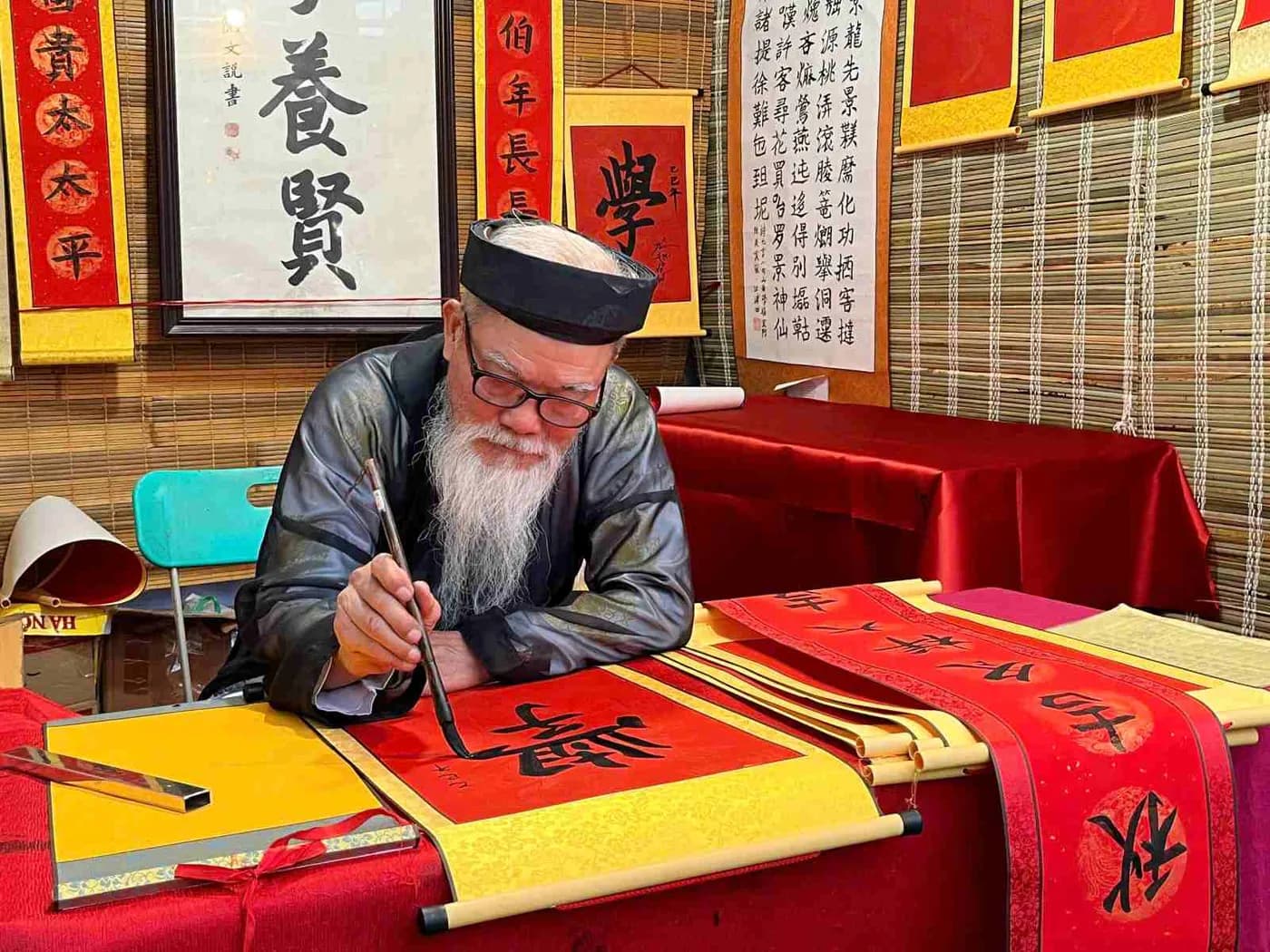
The ability to write poetry reveals a poet's soul sensitive to all things, using scenery to evoke emotion and using words to paint a picture in the reader's mind. In classical arts, poetry and painting always go hand in hand, supporting each other to create the realm where "in poetry there is painting, and in painting there is poetry." Poetry is the very soul that brightens the scenery, helping the appreciator not only see with their eyes but also fully comprehend the profound ideas hidden behind every object.
- Họa (Vẽ) – Sự kết tinh giữa tình ý và năng lượng tinh thần:
In traditional culture, painting (Họa) is not merely about reproducing physical appearances, but focuses on conveying spirit and meaning through the artwork [2]. The artist uses brush and ink, applying variations in shading and the fluidity of each line to express a rich inner world. The highest level of painting is "đắc tâm ứng thủ" (achieving the spontaneous expression of the heart) – meaning that when something is quietly contemplated in the mind, the hand holding the brush immediately captures it in the most natural and vivid way.
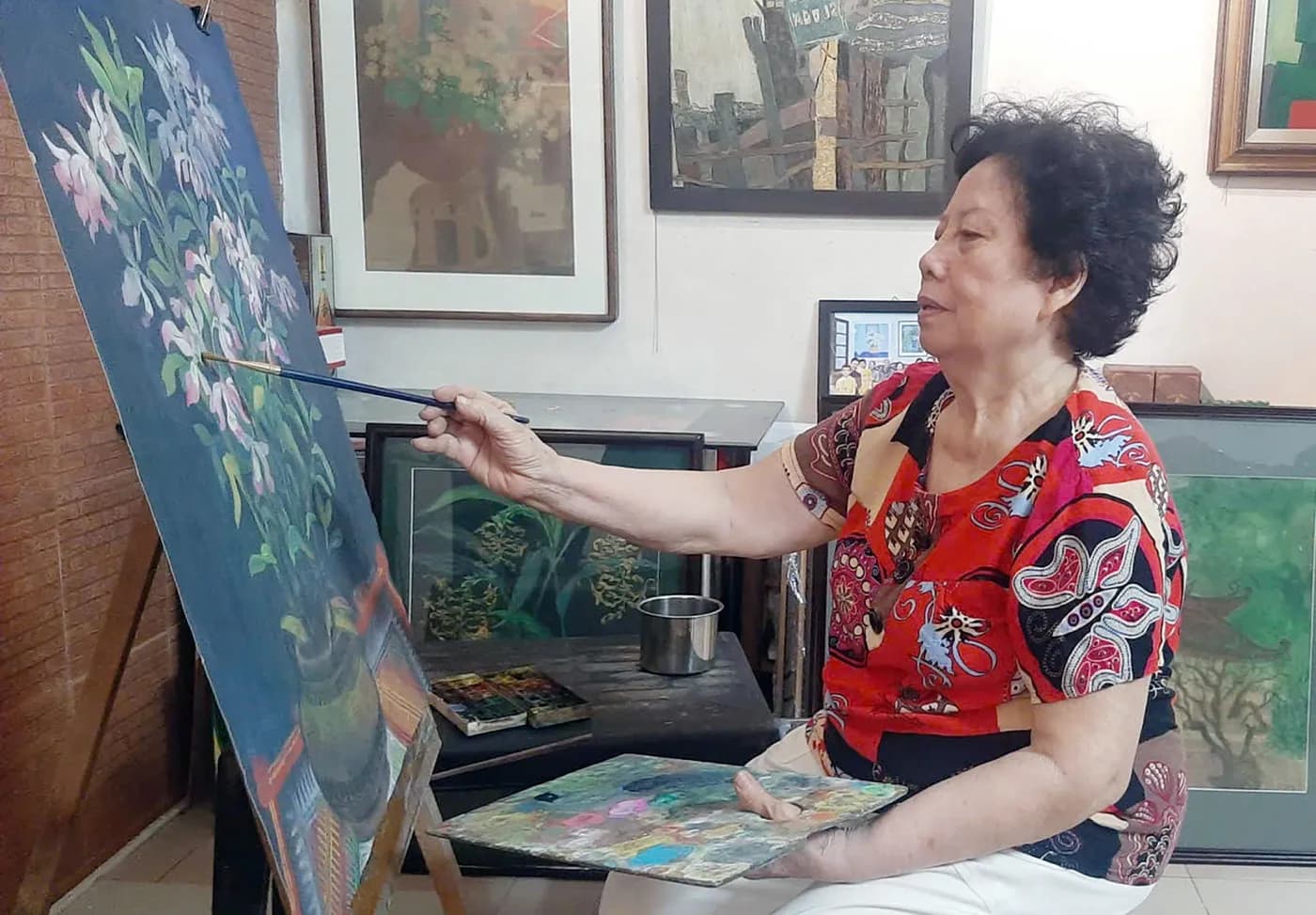
Paintings of landscapes, flora, or figures are essentially a way for the artist to express their view on life and personal virtues. When painting a branch of apricot blossom, the artist does not merely depict its delicate exterior; rather, the core intent is to preserve its spirit, dignity, and purity. Therefore, through a work of art, we can glimpse the artist's serene mindset, their noble aspirations, and the source of their quiet spiritual strength.
Continuing the Legacy of 'Kỳ' Through QiClash:
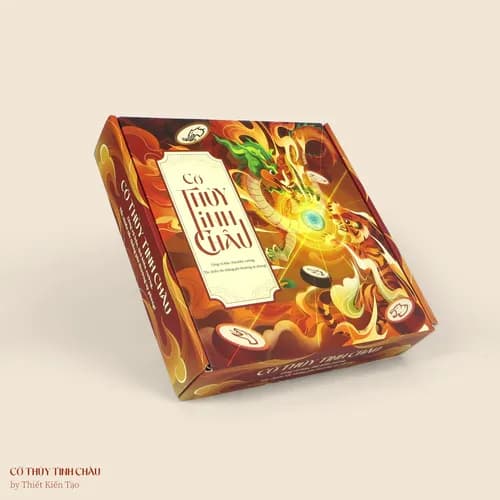
In the context of "The Four Great Ancient Instruments," "Kỳ" (Chess/Strategy) holds a unique appeal as the embodiment of thought and intellect. While the ancients used Go stones to contemplate the laws of heaven and earth, that same spirit is continued and creatively evolved today through the discipline of QiClash.
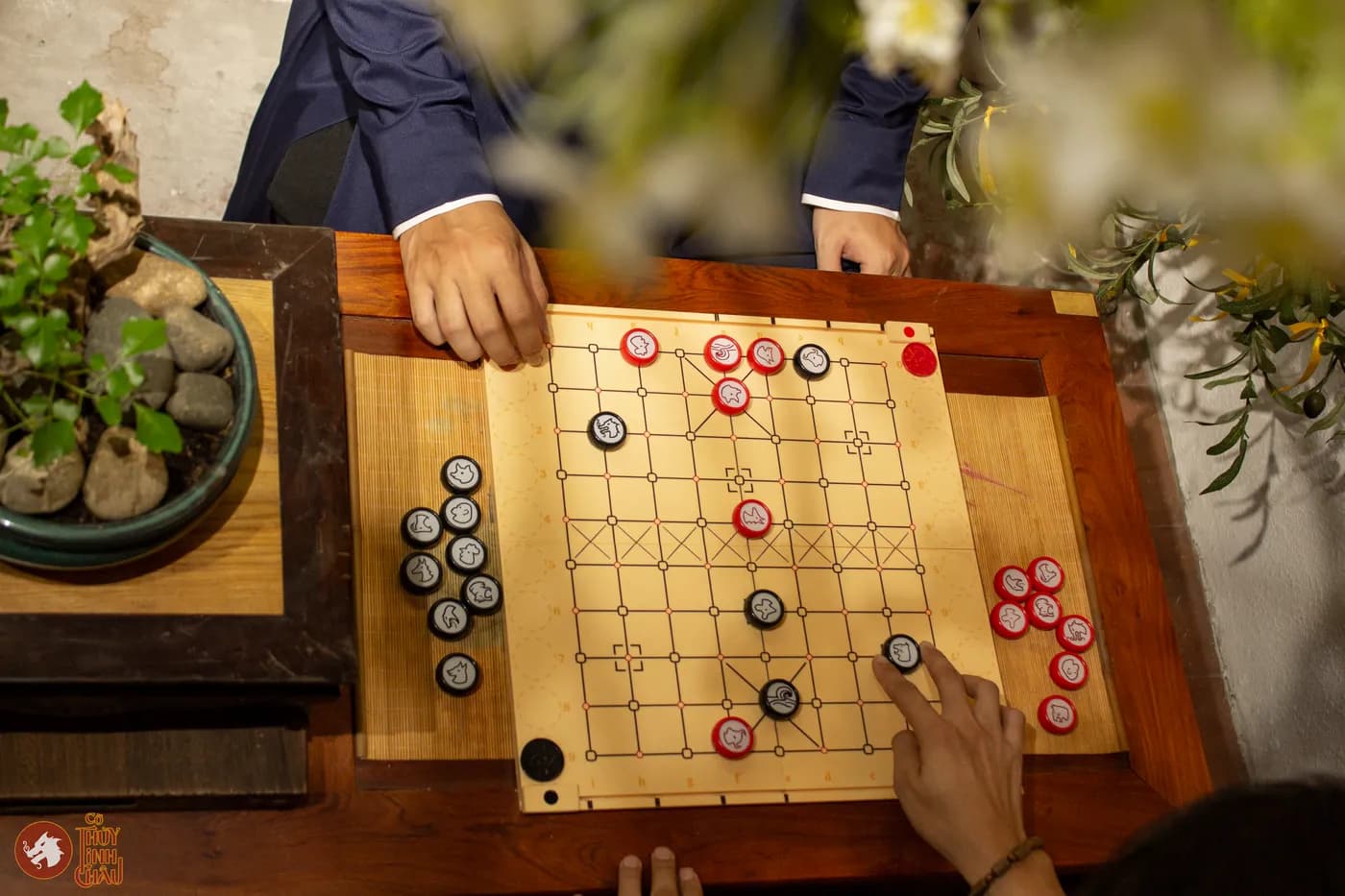
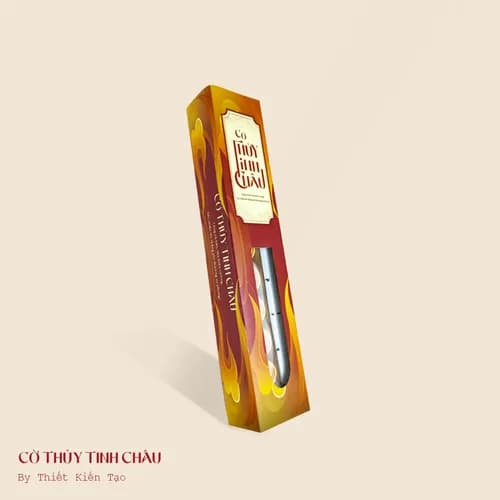
Inheriting the profound philosophy of "Kỳ" (Strategy/Game), QiClash is not merely an entertainment activity but an art form for mental training deeply imbued with Eastern cultural characteristics. Built and operated upon the system of the 12 zodiac animals—symbols of time, destiny, and cosmic harmony—each game is a dynamic battle of wits. From its very name, "Thủy Tinh Châu" (Water Crystal) carries the symbolic meaning of a brilliant gem crystallized from the source of pure water. Like the nature of water—fluid and gentle on the surface to resolve blockages, yet internally holding infinite power capable of penetrating all barriers—applying this fluid philosophy into actual gameplay, the game demands that players maintain high concentration, possess sharp strategic logical thinking, and deeply understand the opponent's psychology in order to command the forces completely.
Even as society evolves, a sharp intellect paired with a peaceful state of mind remains an invaluable asset. For this reason, QiClash is not merely an entertainment game; it is a cultural bridge that allows modern individuals to nurture the spirit of “Kỳ” within their souls, thereby finding inner peace and achieving self-improvement every day.
To directly experience this unique strategy game, you can join online through the QiClash system at store.cothuytinhchau.com/how-to-play?auto=1, or you can experience it in person at the following location:
⏰ Time: 8:00 – 12:00
🗓️ Date: Every Sunday
📍 Location: Children's Center Ho Chi Minh City, No. 04 Tu Xuong, Xuan Hoa Ward, Ho Chi Minh City
Source:
[1] What is Cầm kỳ thi họa? The significance of Cầm kỳ thi họa in ancient society
https://vieclam123.vn/cam-ky-thi-hoa-la-gi-b5181.html
[2] The Noble Essence of Cầm Kỳ Thư Họa
https://trithucvn2.net/van-hoa/noi-ham-cao-thuong-cua-cam-ky-thu-hoa.html
[3] The Four Arts of the Literati: Cầm, Kỳ, Thi, Họa.
https://webtiengtrung.com/cam-ki-thi-hoa-tu-nghe-cua-van-nhan/
[4] “Cầm kỳ thi họa”: The connection between human wisdom and heaven and earth.