[East-West Prism] The Image of the Cat in Vietnamese Folklore
[East-West Prism]
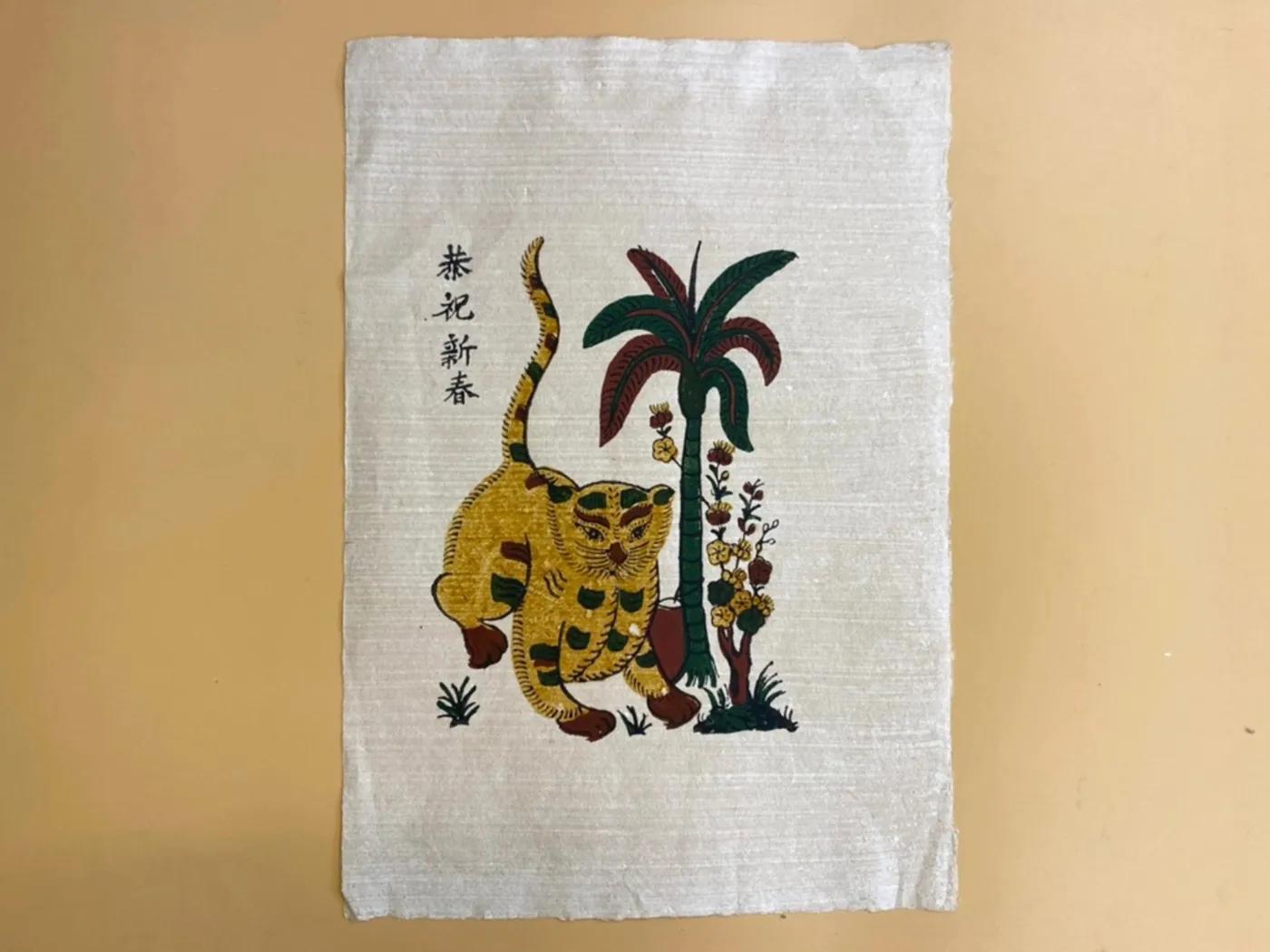
The Cat is the fourth spiritual animal representing the Year of the Cat. Although it does not provide direct economic value, it has been an incredibly close companion, deeply intertwined with human life throughout a profound cultural and historical depth.
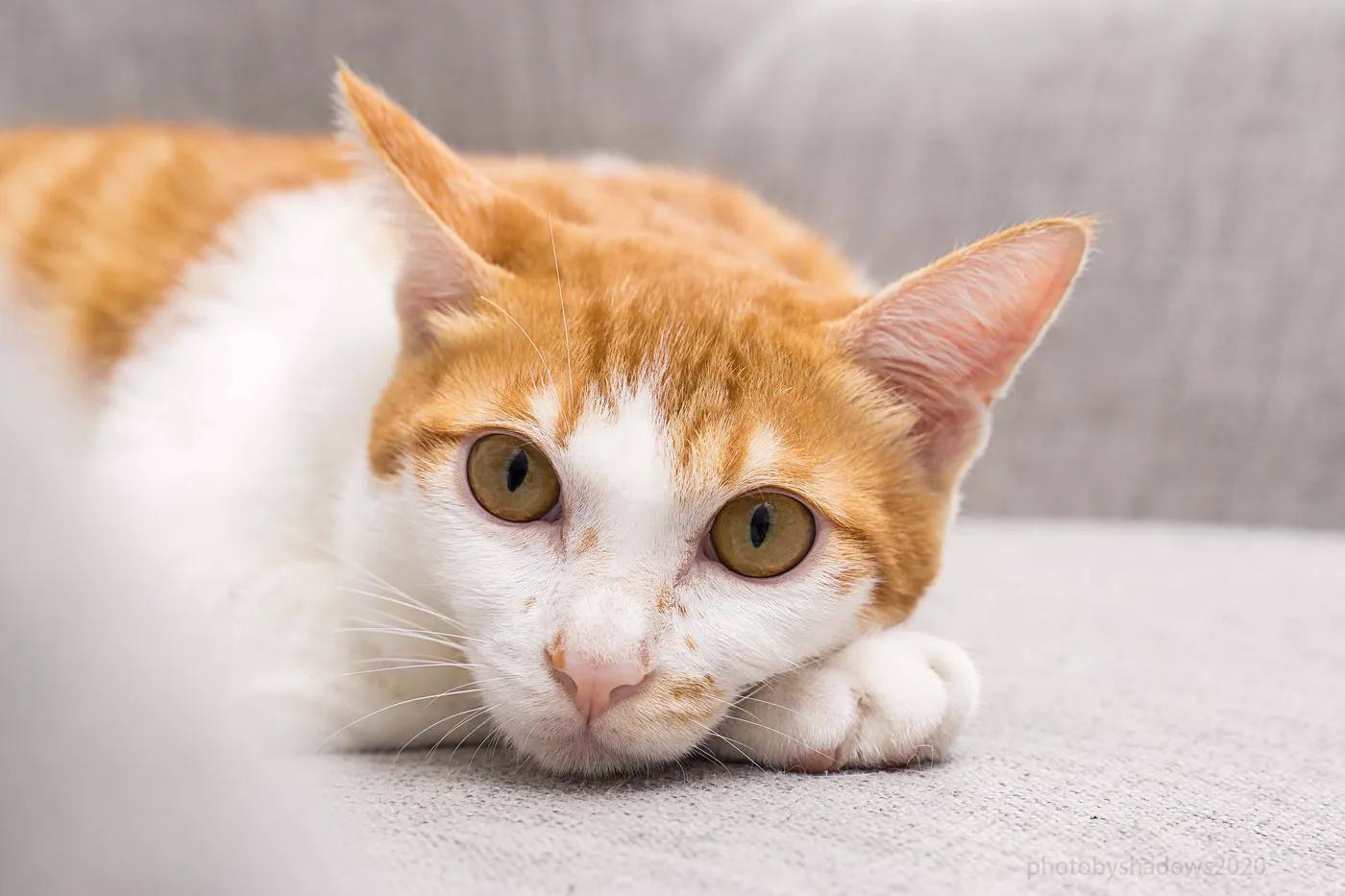
Since the end of the Hung Vuong – An Duong Vuong era, cats have appeared under the roofs of the ancient Vietnamese people. In agricultural life, cats were cherished for their role in protecting the fruits of labor, a fact vividly depicted in the "Legend of the Cat and the Mouse," where the Jade Emperor himself sent cats down to the earthly realm to serve as the "arch-nemesis" specialized in hunting mice and protecting the people's granaries. [1][2]
Furthermore, cats have served as symbols of blessings and profound gratitude throughout history, clearly evidenced by the "Chua Meo" (Cat Temple) relic in Thanh Hoa, a site closely associated with the Lam Son uprising. Legend has it that in 1418, a "cat deity" sacrificed itself to distract the Ming army, narrowly saving Le Loi's life. Consequently, after ascending the throne, he issued an order to renovate and rename the temple to commemorate the lifesaving deed of this sacred animal.[3]
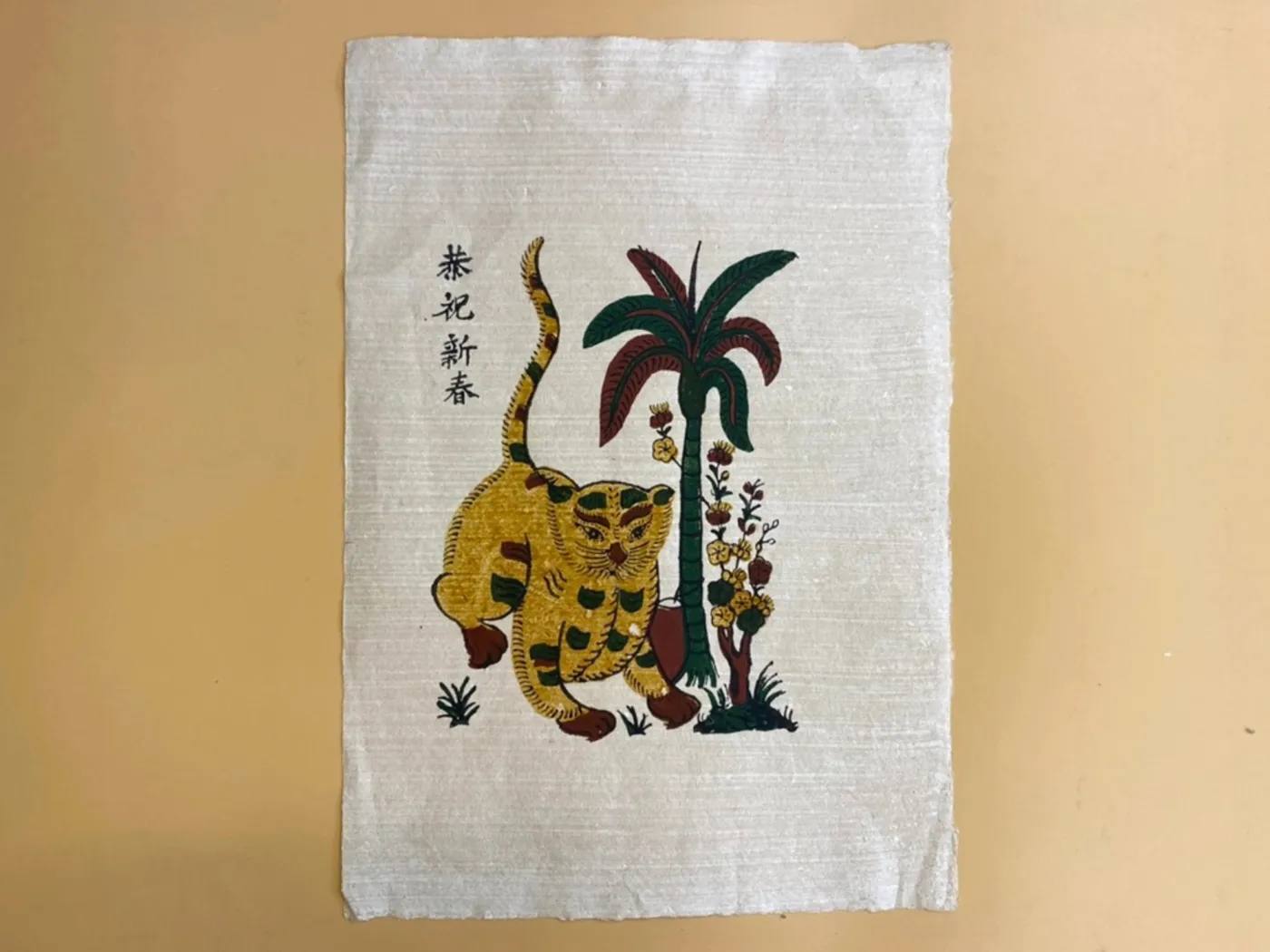
Beyond protecting assets, the image of the cat has also permeated Vietnamese folk songs and proverbs as lessons on human morality. Folklore employs the phrase "An old cat turns into a fox" to describe cunning and devious individuals, uses "The mouse bites the cat's leash" to warn against showing kindness to those who harm you, or concludes with "Don't know which cat bit which mouse" to remind people not to be prematurely arrogant, as in life, it is not always clear who is superior to whom.[2]
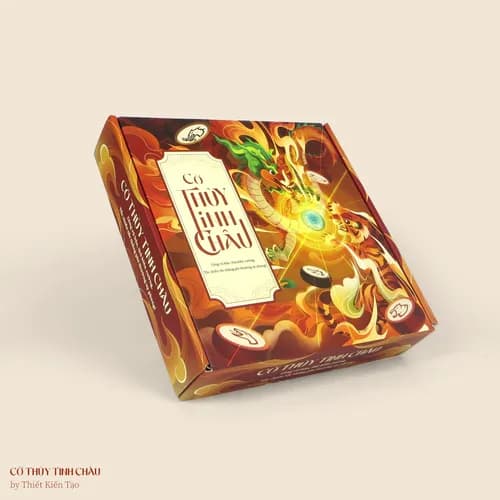
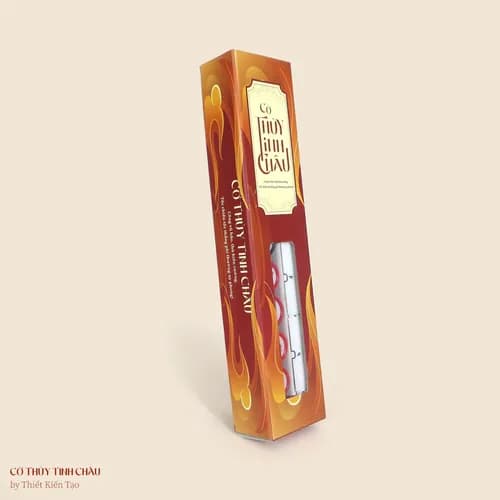
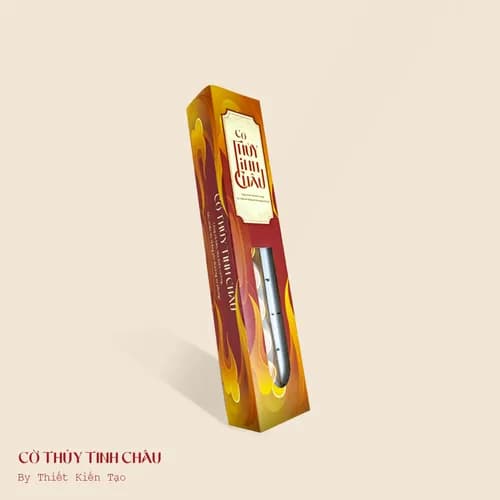
The intelligence, caution, and sharpness are vividly recreated right on the QiClash board. In every match, the Cat piece moves flexibly, advancing horizontally and vertically across the board until it is blocked. Much like a cat hunting at night, the Cat piece does not reveal its killing intent to capture pieces directly but instead patiently waits for an opening, utilizing a leap over exactly one piece in a horizontal or vertical direction to serve as a springboard for a pouncing strike to take down the opponent and fulfill its mission to protect Water Crystal.
.webp)
Do you want to personally command the agile Cat piece, utilizing its unique "stalk and pounce" mechanic to silently infiltrate the opponent's defenses? Then why wait? Join us for a meetup and experience QiClash firsthand at the following location:
📍 Water Crystal Chess Club: 8:00 - 12:00 every Sunday,
At the Ho Chi Minh City Youth Center, No. 04 Tu Xuong, Xuan Hoa Ward, Ho Chi Minh City. This is where our club gathers to play chess, learn, sharpen our thinking, and connect with a community of strategy enthusiasts.
What do you think about the silent yet sharp lurking power of the Cat piece on the QiClash board? Comment below which piece you would like us to decode the powers of in our upcoming posts!
Lăng Kính Đông Tây is a series where I, along with all of you, share cultural stories associated with the formation of QiClash.
Source:
[1] What is the significance of the cat figure in Vietnamese culture?
[2] The image of the cat in folk culture
[3] About Meo Temple in Thanh Hoa