[East-West Prism] The Image of the Tiger (Dần) in Vietnamese Folklore
[East-West Prism] The Image of the Tiger (Dần) in Vietnamese Folklore
The Tiger is the third spiritual animal among the 12 zodiacs, bearing majestic marks deeply ingrained in the long history and culture of our nation.
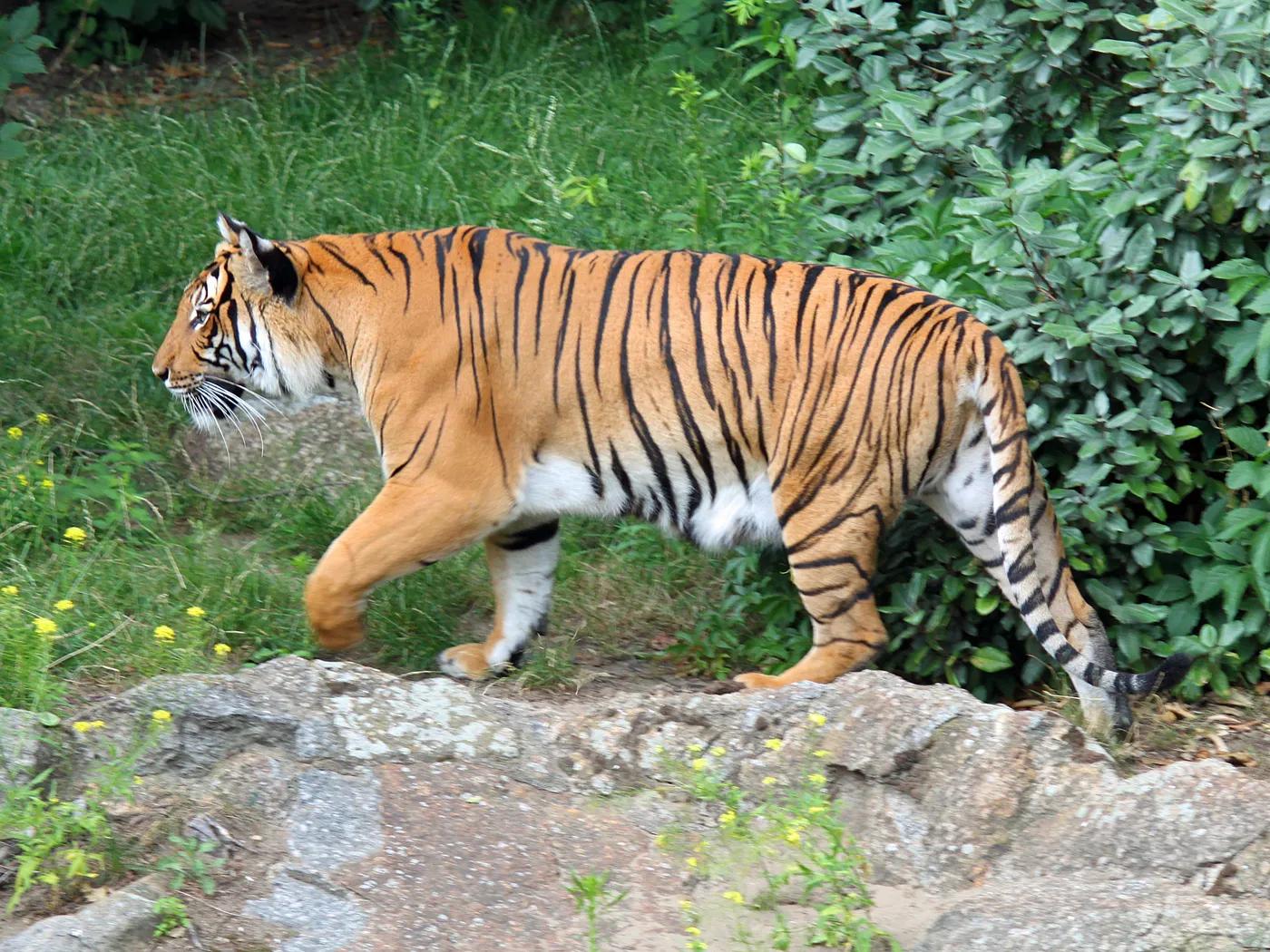
Since tens of thousands of years ago, from the archaeological sites of Hòa Bình to the faces of Đông Sơn bronze drums dating back 2,500 - 3,000 years, the image of the Tiger has appeared as a symbol of mighty power. While in the natural world, its presence is regarded as the "lord of all creatures," in social life, the tiger figure has long been associated with the authority of the King. For this reason, in the past—from the Đinh and Lê dynasties to the Lý dynasty—the organization of tiger hunting guilds or hunting festivals was not only intended to ward off misfortune but also served as a way for dynasties to assert their strength and position. Furthermore, tracing back to the origins of Chinese characters, the character DẦN (寅) bears the likeness of a fierce tiger charging forward with majestic prowess, with the stripes on its forehead forming the character for "King" (Vương). [1][2]
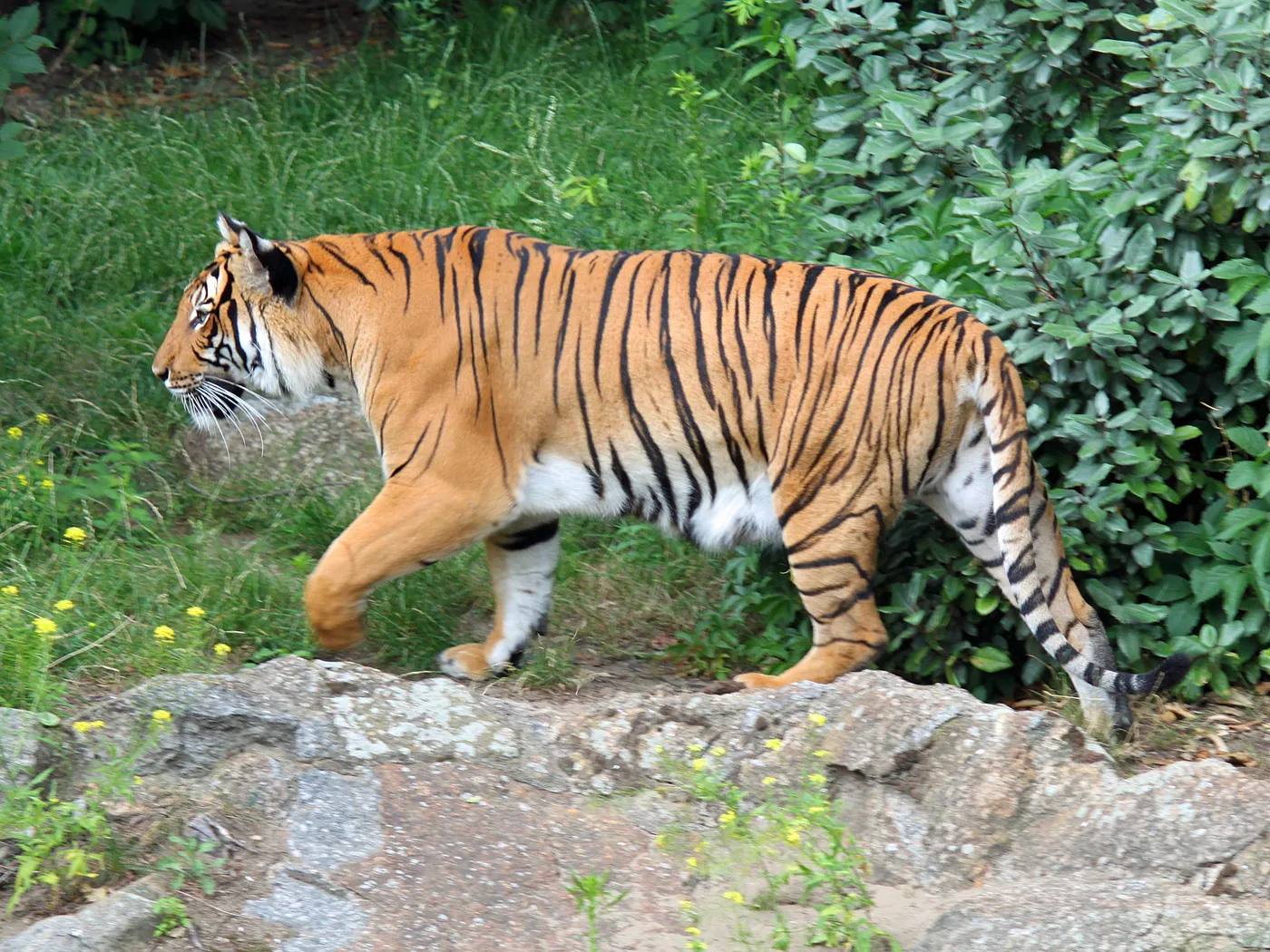
The tiger's imagery does not stop at being a symbol of royal power; it also penetrates deep into the folk consciousness as a majestic yet intimate protective spiritual animal. In Vietnamese culture, although the tiger represents "bravery" and describes extraordinary talents as "the body of a tiger, the hands of an ape," the folk still borrow the image of "a fierce tiger does not eat its own cubs" to praise the sacred bond of motherhood. Notably, the ancients also used the saying, "A dead tiger leaves its skin, a dead person leaves their reputation," with the aim of teaching descendants about human morality—living upright to accumulate merit and preserve a virtuous reputation for generations to come. [3]
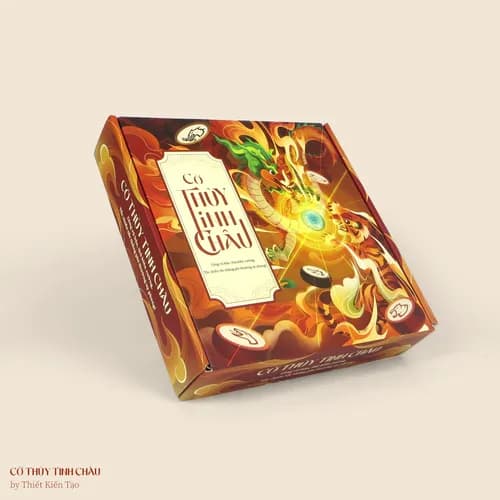
The majesty, fierce prowess, and supernatural pouncing moves of the "Lord of the Mountain" are now vividly recreated on the QiClash board. In every match, the Tiger piece possesses the ability to move with sweeping momentum, traversing horizontally and vertically across the entire board until blocked. However, the Tiger's most formidable trait lies in its unpredictable predatory instinct; rather than capturing pieces directly, the Tiger patiently waits and executes a powerful pounce, leaping over a single piece as a foothold to strike down the opponent.
.webp)
Furthermore, this mighty leap can be unleashed from any direction—horizontal, vertical, or diagonal—transforming the Tiger piece into a high-speed, sharp attacking machine, tasked with the mission of breaking through all defensive lines and firmly protecting its own Water Crystal (Thủy Tinh Châu).
Do you want to personally command the majestic Tiger piece, utilizing its unique "predatory pounce" mechanic to breach your opponent's defenses? If so, why wait? Join us for an interactive session to experience QiClash (Cờ Thủy Tinh Châu) at the following location:
📍 Water Crystal Chess Club: 8:00 - 12:00 every Sunday,
At the Ho Chi Minh City Youth Center, No. 04 Tu Xuong, Xuan Hoa Ward, Ho Chi Minh City. This is where our club gathers to play chess, learn, sharpen our thinking, and connect with a community of strategy enthusiasts.
What do you think about the lightning-fast and highly versatile "pounce" mechanic of the Tiger piece on the QiClash board? Comment below which piece you would like us to decode the powers of in our upcoming posts!
Lăng Kính Đông Tây is a series where I, along with all of you, share cultural stories associated with the formation of QiClash.
Source:
[1] The image of the tiger in the flow of Vietnamese culture
[2] The unique significance of tigers in folk culture
[3] The Tiger and its imprint in Vietnamese cultural life