Relieving Chess Pressure: A New Space to Revive Inspiration
Chess is a global intellectual sport that requires logical thinking and sharp analytical ability. However, after committing to it for a long time and diving deep into the competitive environment, many players experience psychological overload. The pressures from the rating system, the vast volume of theory, or the culture of online competition sometimes obscure the original joy of solving tactical problems.
Instead of continuing to play under stressful conditions or hastily abandoning your passion, let’s examine these psychological barriers. At the same time, experiencing a new environment like QiClash (12 zodiac chess) will be an effective method for refreshing your mindset and relieving pressure before you return to the chessboard.
1. The burden of rote memorization of opening theory:
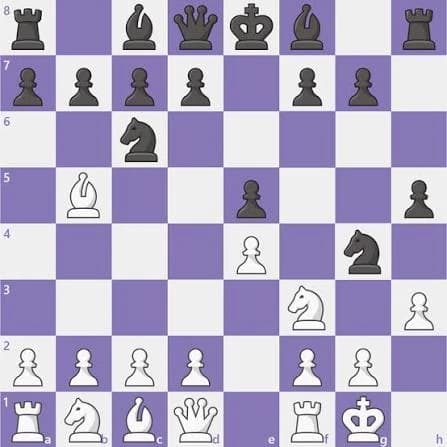
In modern chess, players are required to memorize dozens of standard moves during the opening phase. If they deviate from established theory, players are easily pressured and may lose their tactical advantage. The frustration of having to learn theory instead of using natural intuition was a major concern for the late Grandmaster Bobby Fischer, and it was also the driving force behind his creation of the Fischer Random Chess variant, which scrambles the last rank to eliminate dependence on pre-written books. [1]
2. Pressure from the Elo rating system and the fear of failure:
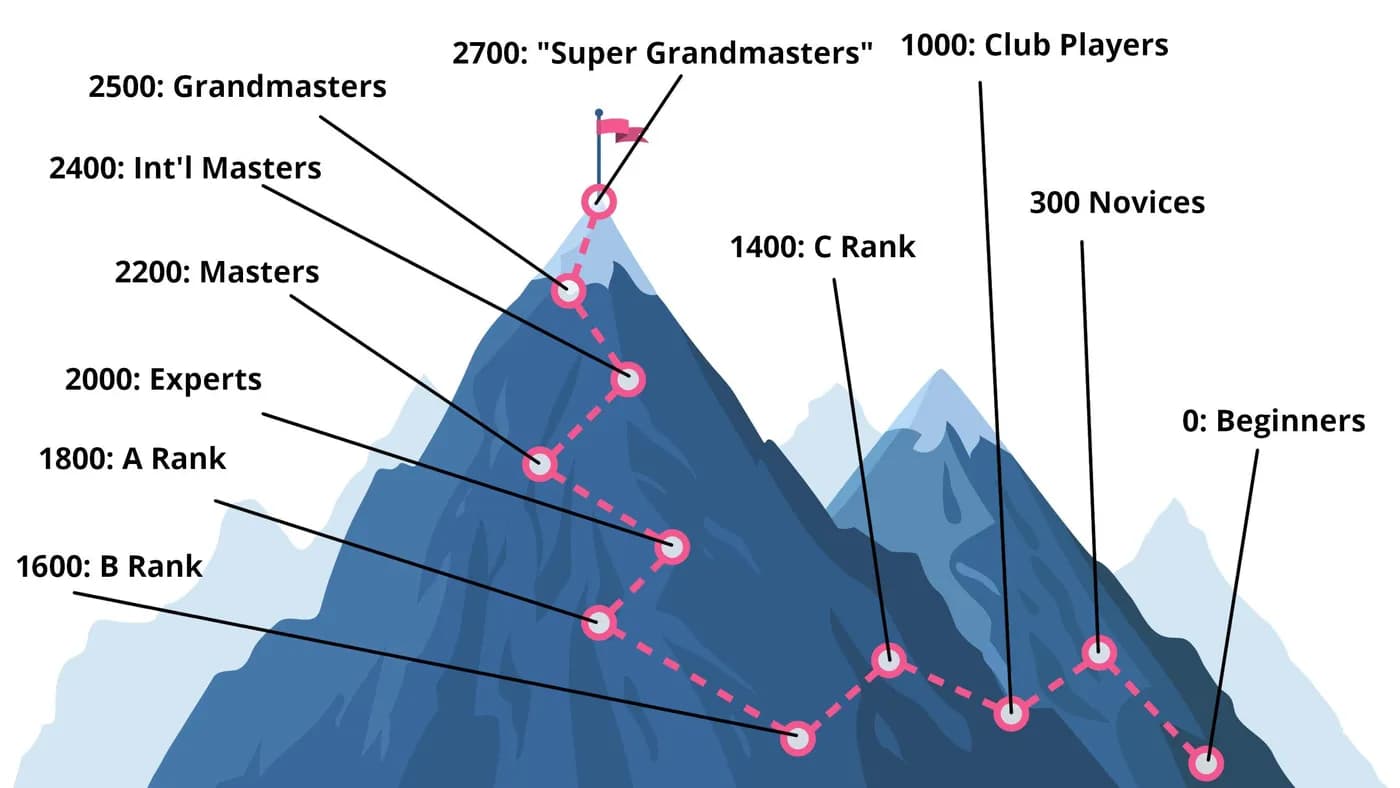
On platforms such as Reddit, notably r/Chesscom, many discussions have pointed out the fatigue associated with personal ability being completely quantified by Elo scores. When facing younger players or those with lower Elo ratings, players often carry a significant fear of losing. An unexpected defeat frequently causes psychological shock, leading to self-doubt about one's own abilities.[2]
3. The Judgment of Moves and Software Rigidity:
Currently, most chess positions have been analyzed to a near-perfect degree by computer software. When you make an unusual move that falls outside established opening theory, it is immediately rated as incorrect by the computer and easily mocked by opponents with questions such as, "Why did you make that move?". The capacity for breakthrough creativity is restricted when every future move can be predicted and blocked by machines.[3]
4. Opponents' impatience and pressure:
On international forums like Chess.com, impatience is a persistent and controversial issue. Players who have memorized theoretical lines often play reflexively at great speed, deliberately applying time pressure. When opponents take too long to think about their moves, they constantly nag and complain. This causes the opponent to feel stressed, panicked, and easily make a mistake that ruins the entire game. [4]
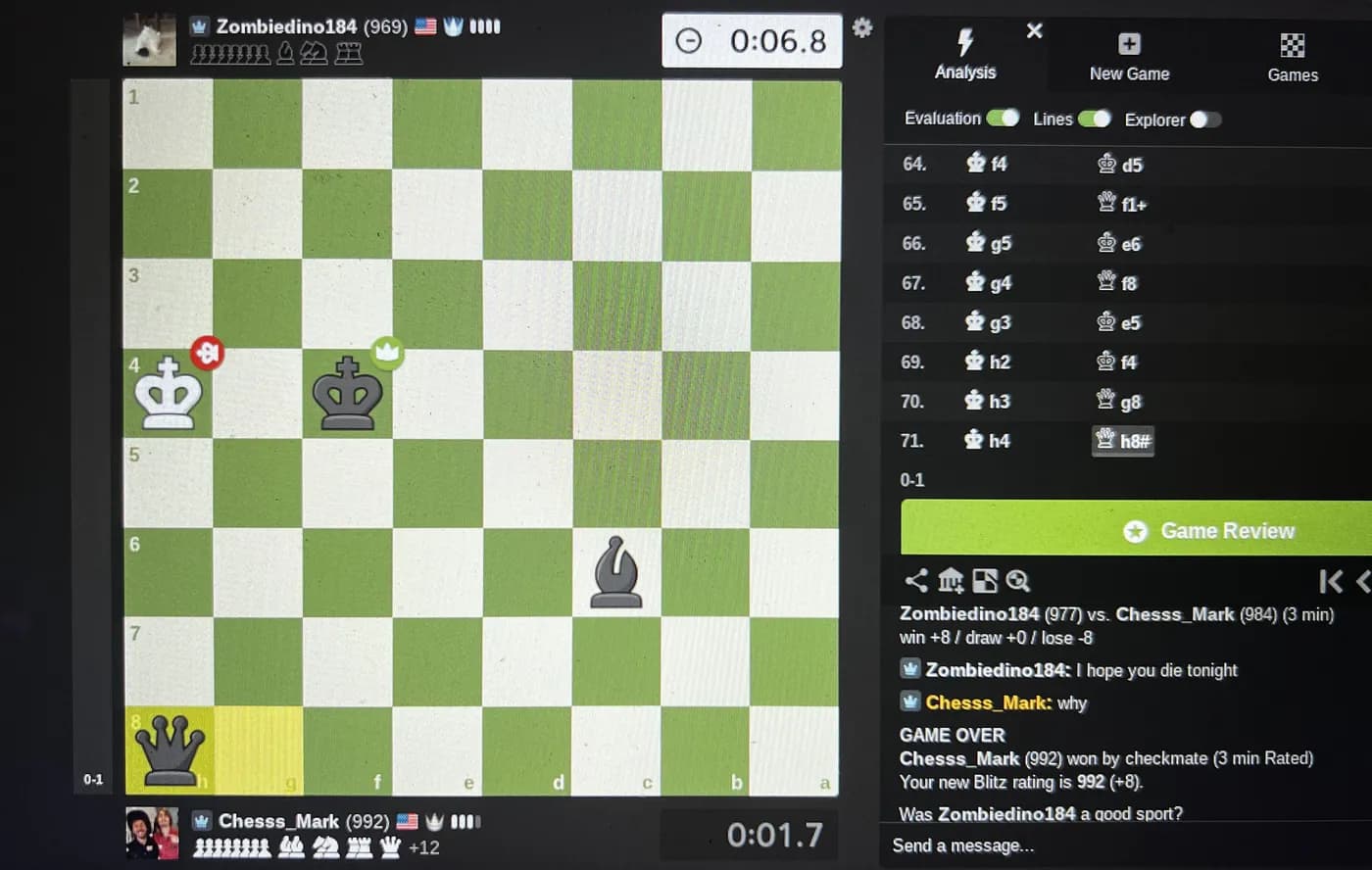
5. Delaying tactics and the culture of refusing to resign online:
When playing online, encountering players who refuse to accept defeat is common. Instead of cleanly resigning when they know they cannot overturn the position, opponents deliberately hang up their computer so the opponent must count down the time. This tactic is a form of retaliation designed to waste the winner's time, causing great frustration. [5]
THE DIFFERENCES OF 12 ZODIAC CHESS THAT ALLEVIATE STRESS
1. Deploying the game with creativity and eliminating rigid/formulaic theory:
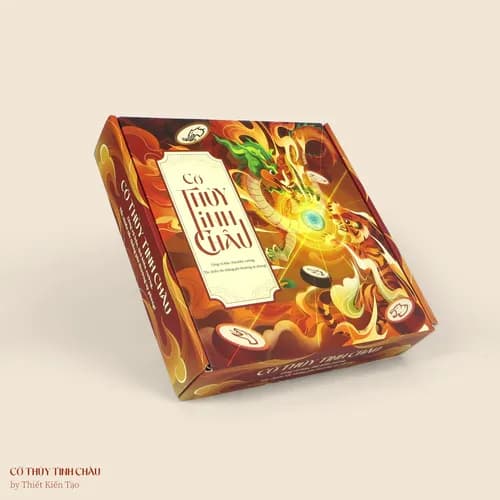
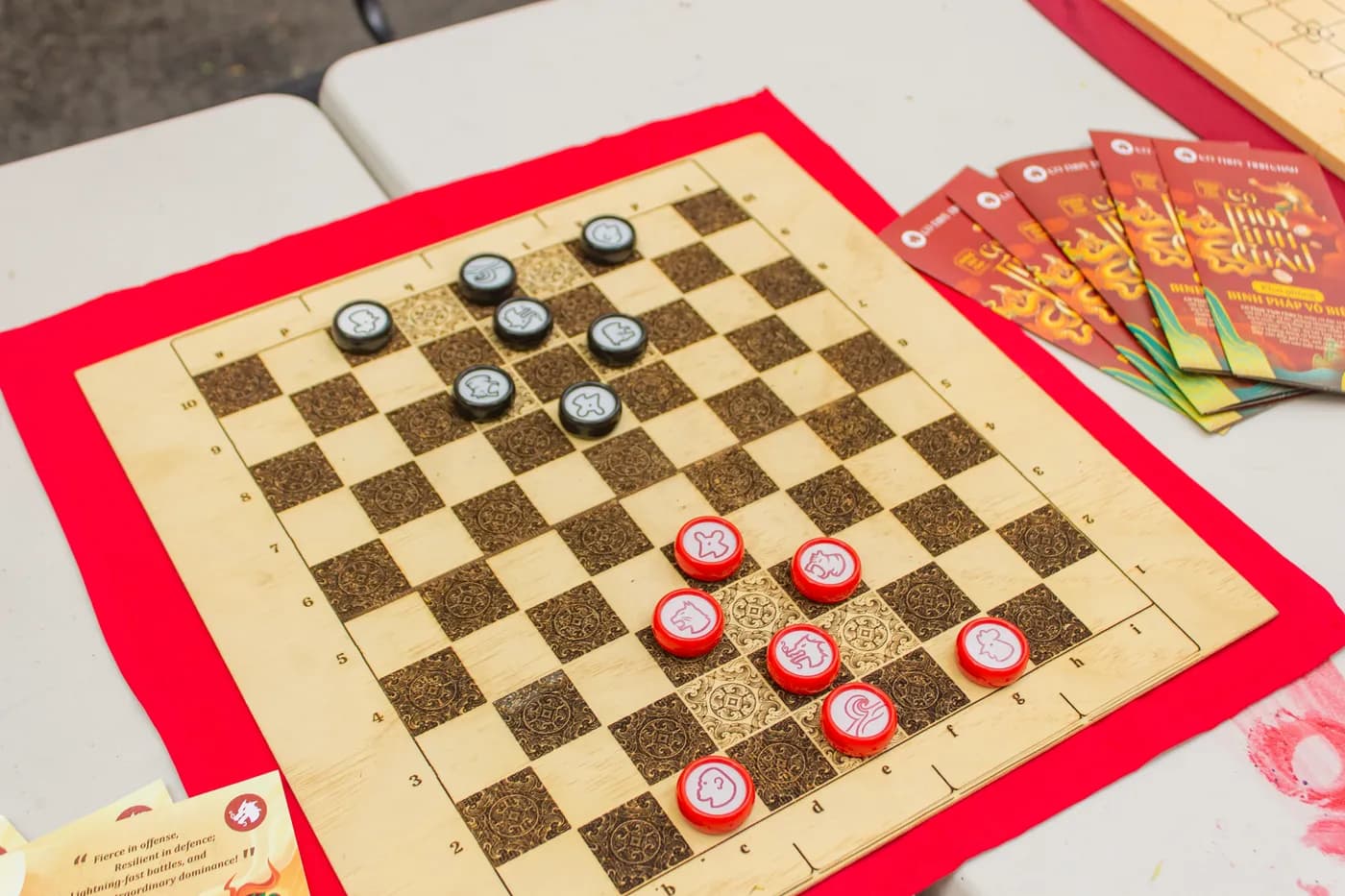
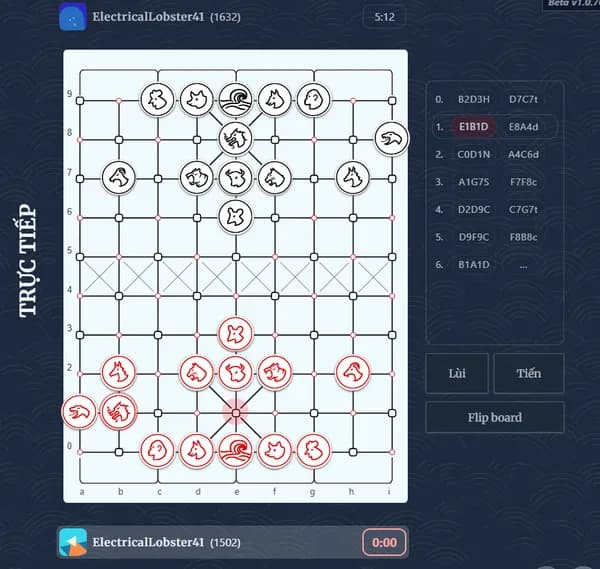
QiClash features a unique open board structure, possessing only one pawn—The Rat (Tý)—instead of a traditional defensive array of pawns. The objective of the game is to protect the Water Crystal (Thủy Tinh Châu) located in the central position, and this design completely breaks the traditional opening structure. Players do not need to memorize any predefined trajectories; every game begins with natural calculation right from the first moves.
2. Experiencing equality, unbound by score metrics:
As a completely new discipline, every individual approaching QiClash, regardless of generation, starts from the same level playing field. This strategic game is not constrained by strict global ranking systems; outcomes are determined by immediate intuition and the ability to understand the unique characteristics of the 12 zodiac animals. This element allows players to completely set aside the pressure of accumulating points or defending honor, allowing them to focus purely on the joy of genuine competition and the value of international cultural exchange.
3. Encouraging unique tactics without the fear of judgment:
With a system of 13 pieces, including the 12 zodiac animals and 1 Water Crystal, each piece possesses a unique, naturally simulated movement path. For instance, the Snake piece (Tỵ) can move diagonally to penetrate defensive lines, while the Dragon piece (Thìn) can move comprehensively in 8 directions. Because there is no open-source AI capable of perfectly deciphering this complex tactical system, every move made by a player is an unpredictable variable. A move that might initially seem incomprehensible could entirely serve as a stepping stone for a sudden attack. This unpredictability is the core appeal, celebrating flexible adaptability.
4. Transparent Interactive Environment, Promoting Fair Play:
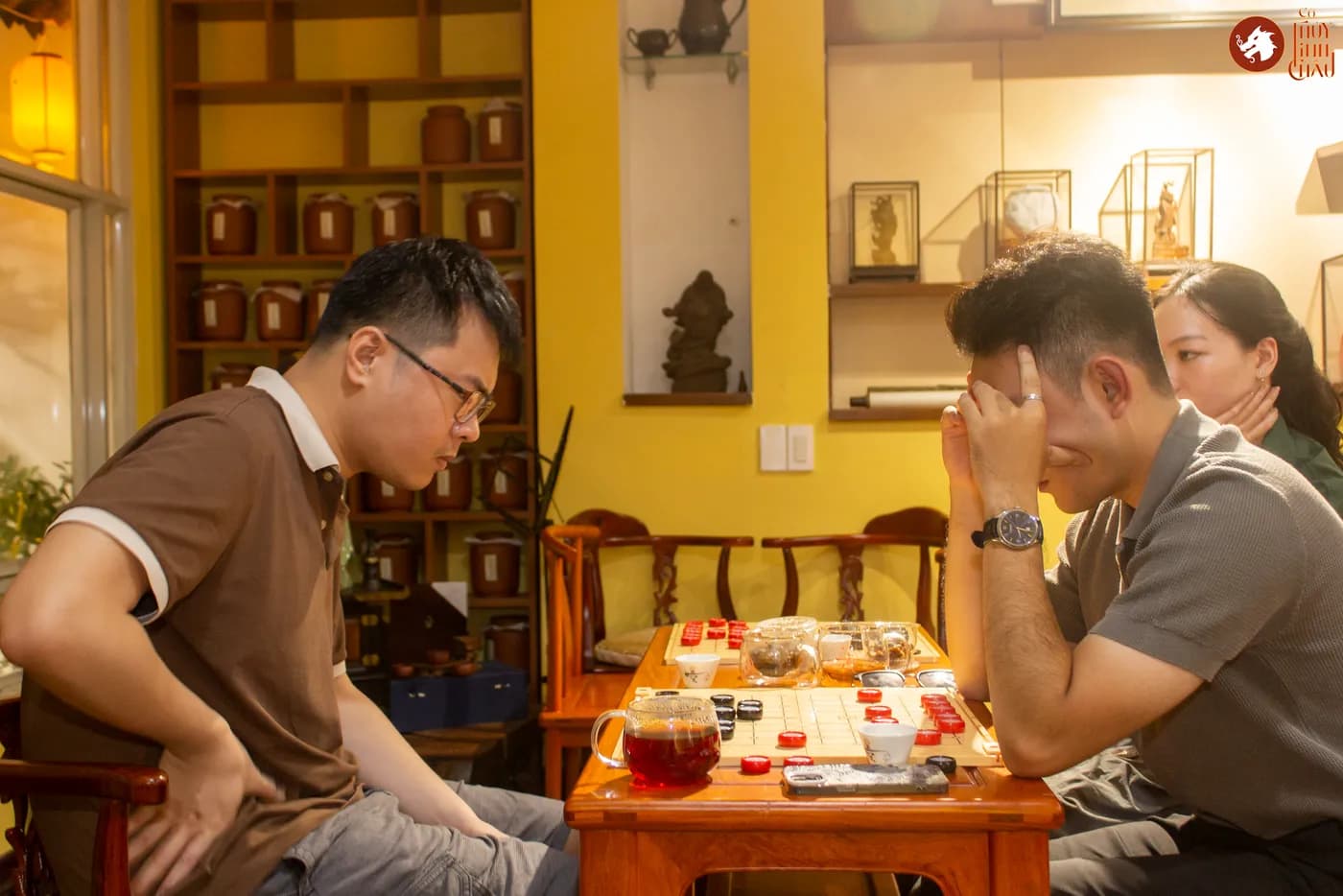
Currently, the development direction of QiClash places great emphasis on real-world experiences through club activities or cultural events. Direct competitive matches between two players are the prerequisite for ending all negative anonymous behaviors such as stalling. Even when participating on the online Beta platform, the player community primarily consists of members from the QiClash Club, who tend to value civility and courtesy, ensuring a healthy and positive playing environment.
Should You Try QiClash (Water Crystal Chess) To Restore Your Spirit?
Any strategic game, when reaching its peak, comes with vast volumes of theory and intense competitive pressure. If you are feeling overwhelmed by rigid rating systems or exhausted from having to memorize opening variations, then dedicating some time to try Cờ Thủy Tinh Châu is a highly worthwhile solution.
This discipline offers a completely free tactical environment, where creative thinking is not constrained by analytical software. This shift does not mean that players abandon their inherent passion; rather, it serves as a pause to relax the mind and rekindle the pure joy of intellectual games. Experience 12 zodiac chess and release current frustrations, allowing you to return to familiar games in the clearest and most positive state of mind!
Experience QiClash at -to-play?auto=1
Alternatively, you can join us in person at the QiClash Chess Club every Sunday morning at:
Children's House of Ho Chi Minh City, No. 04 Tu Xuong Street, Xuan Hoa Ward, Ho Chi Minh City
Sources:
[1] Chess960: Why Fisher Random is the Future of Chess
[2] Friend: why is your elo so low?
[3] Would you get rid of chess engines if you could?
[4] How do you all deal with impatient players?
[5] Never resign chess culture is a bad habit